More than eight years since the worldwide release of Dissidia Final Fantasy NT, the beloved Final Fantasy crossover series is finally back with Dissidia Duellum Final Fantasy, a new free-to-play 3v3 team boss battle arena game that sets modern-day Tokyo as the stage for battle. Despite the franchise’s move to Android and iOS, Dissidia Duellum Final Fantasy takes the general mechanics of the console-based games and translates it for really fun bite-sized experiences, including single-player challenges and team battles against other players. Thanks to Square Enix, Final Weapon was able to try out a considerable slice of Dissidia Duellum Final Fantasy ahead of launch for a preview, and I’m optimistic about what this release could mean for the series.
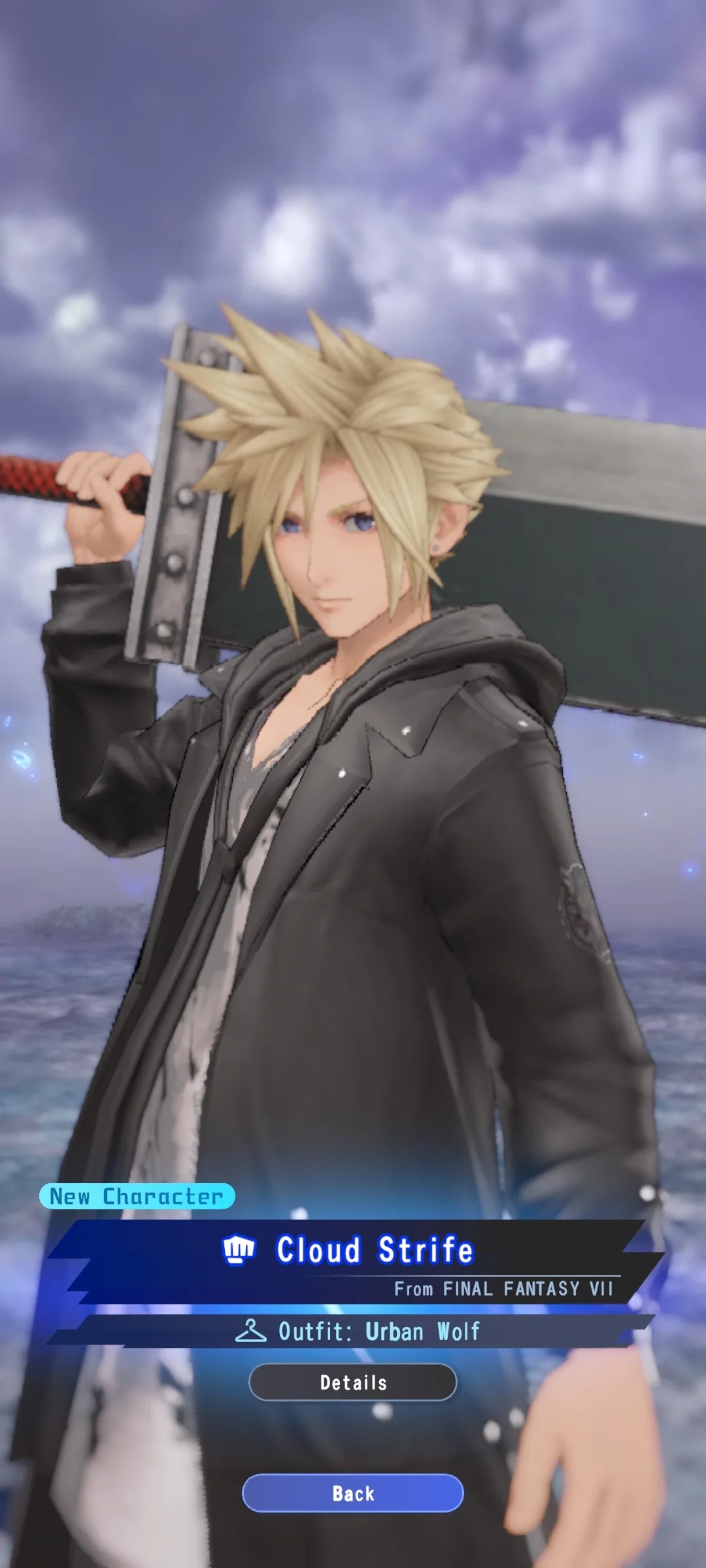
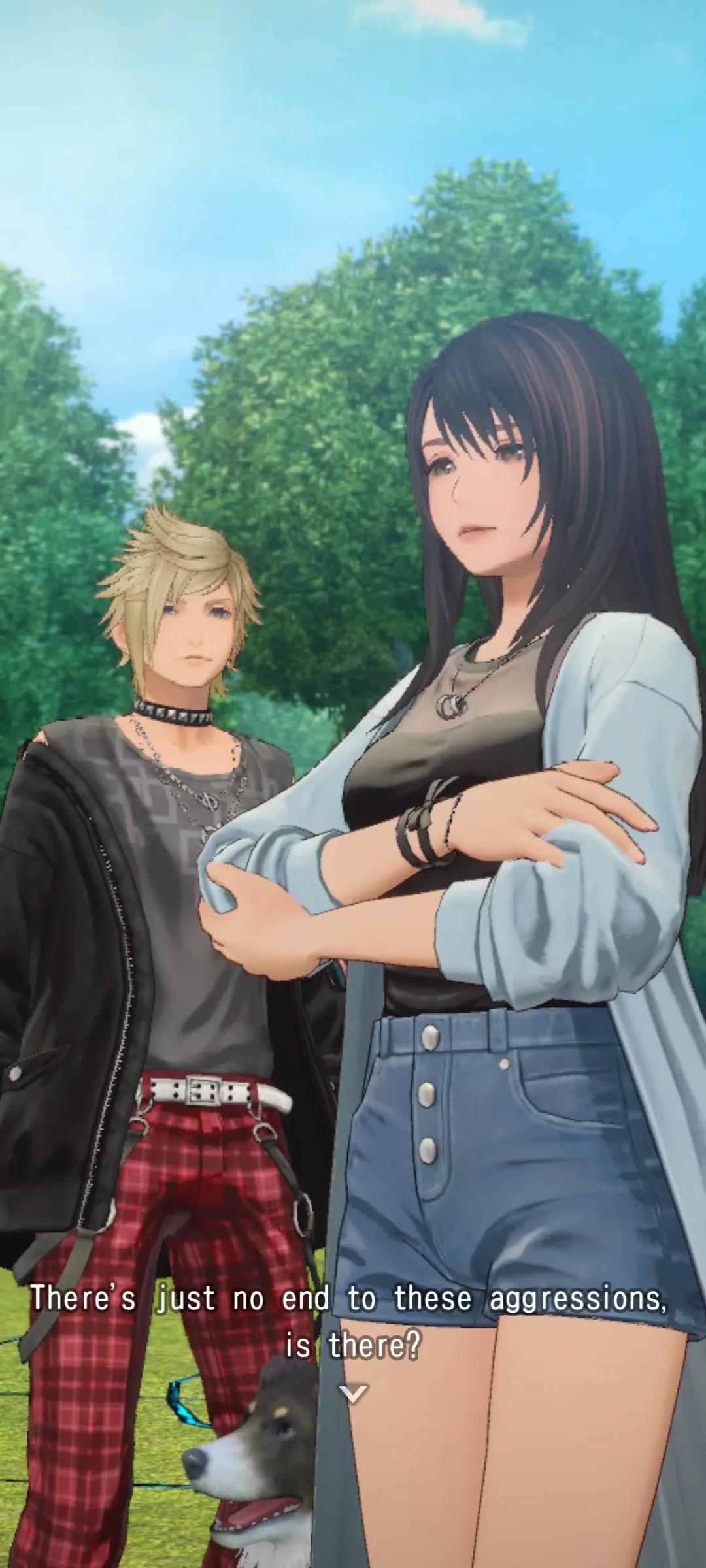
The world is threatened by destruction, and heroes from across the Final Fantasy franchise are summoned to face off against monsters and each other in PvPvE action. With the help of Mog the Moogle, these heroes separate into groups and investigate the happenings in Tokyo, including the appearance of monsters and large crystals. What’s more, everyone now has new outfits to reflect the streetwear and culture of Japan, or their own personal tastes in this new world they find themselves in. Now, not only must these heroes save the world, but they must also defeat bosses faster than the opposing team and do so in style—attire-wise and in the game’s cel-shaded graphics.
Dissidia Duellum Final Fantasy Maintains the Core Mechanics with a Pick-Up and Play Twist
Dissidia’s signature Bravery combat system is maintained in Dissidia Duellum Final Fantasy, though its mechanics are simplified to better fit the pick-up-and-play nature of the game. The base roster includes some notable returning favorites and newcomers to the Dissidia franchise, including but not limited to Warrior of Light, Kain, Krile, Terra, Cloud, Rinoa, Zidane, Gaia, and Prompto. Similar to previous games in the series, Dissidia Duellum Final Fantasy also classifies heroes by the role they play, including Melee, Ranged, Agile, and Support.
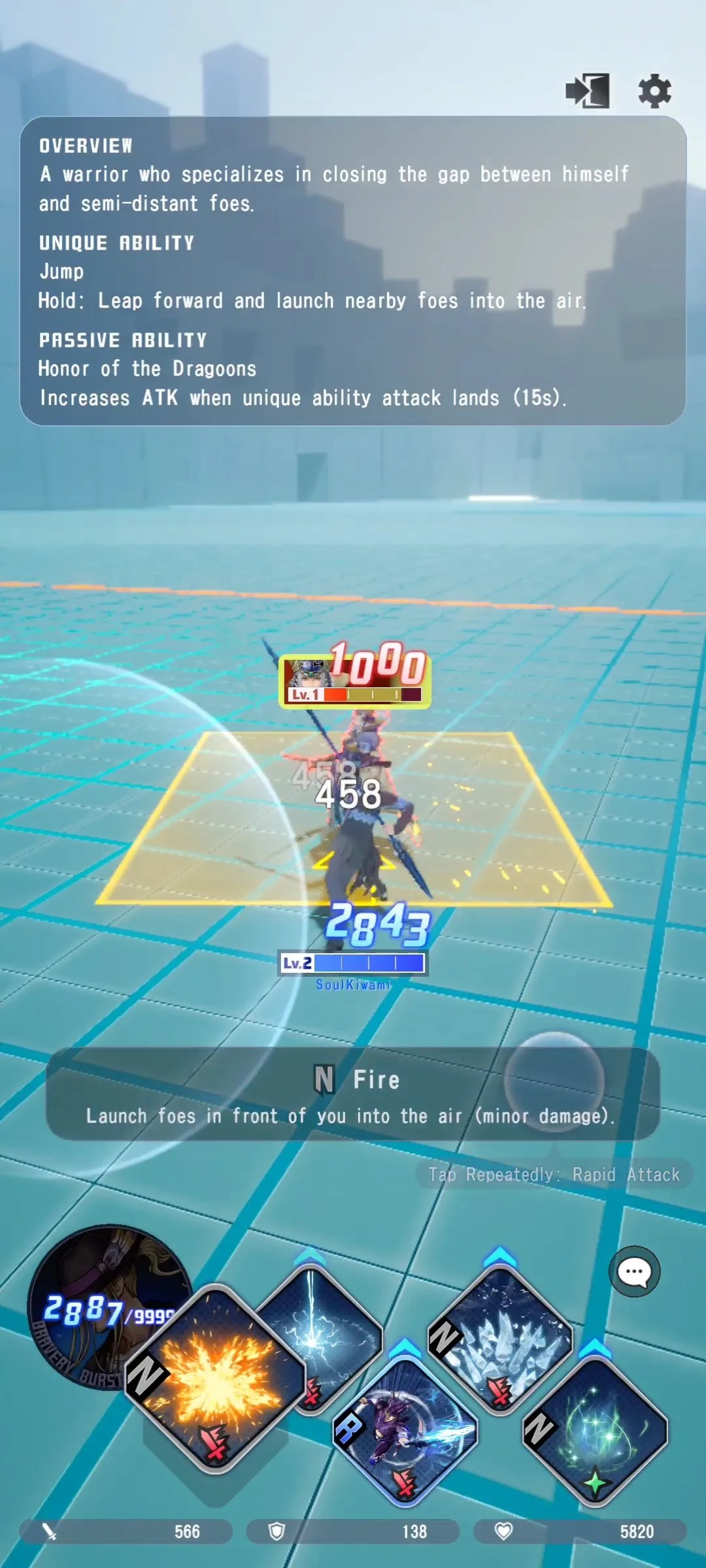
The core traits of each character have been carried over faithfully from the console games, for the most part. For example, Zidane is an Agile character who can steal Bravery and quickly attack and evade opponents. Characters also have Unique Abilities and Passive Effects, setting each character apart with dedicated mechanics only their roles can perform. Warrior of Light is able to defend from all sides, and Lightning can dash into a spinning attack. The game’s Training feature does a great job running down what each character is capable of in a concise manner, and generally, it’s actually really easy to understand what every member of the roster can do and how they fit your playstyle.
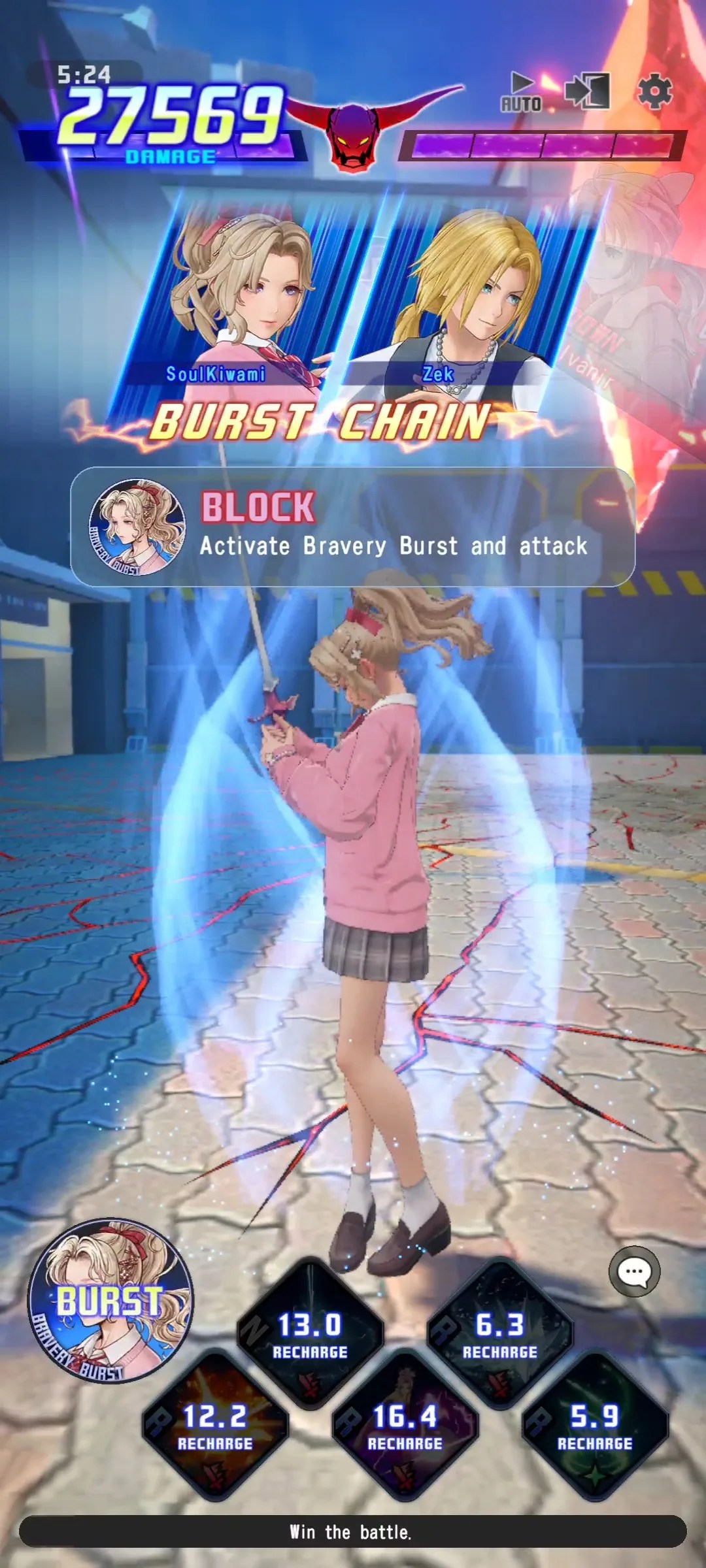
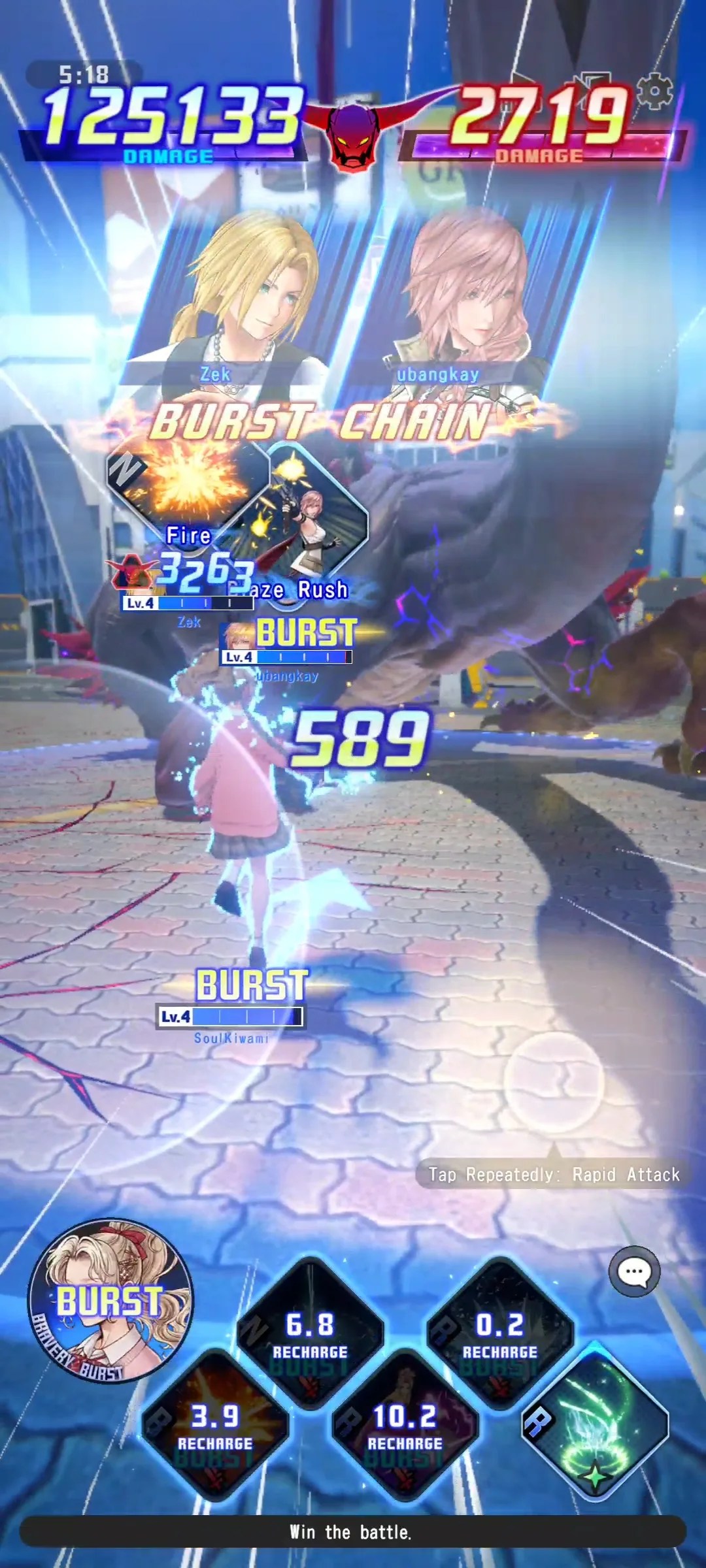
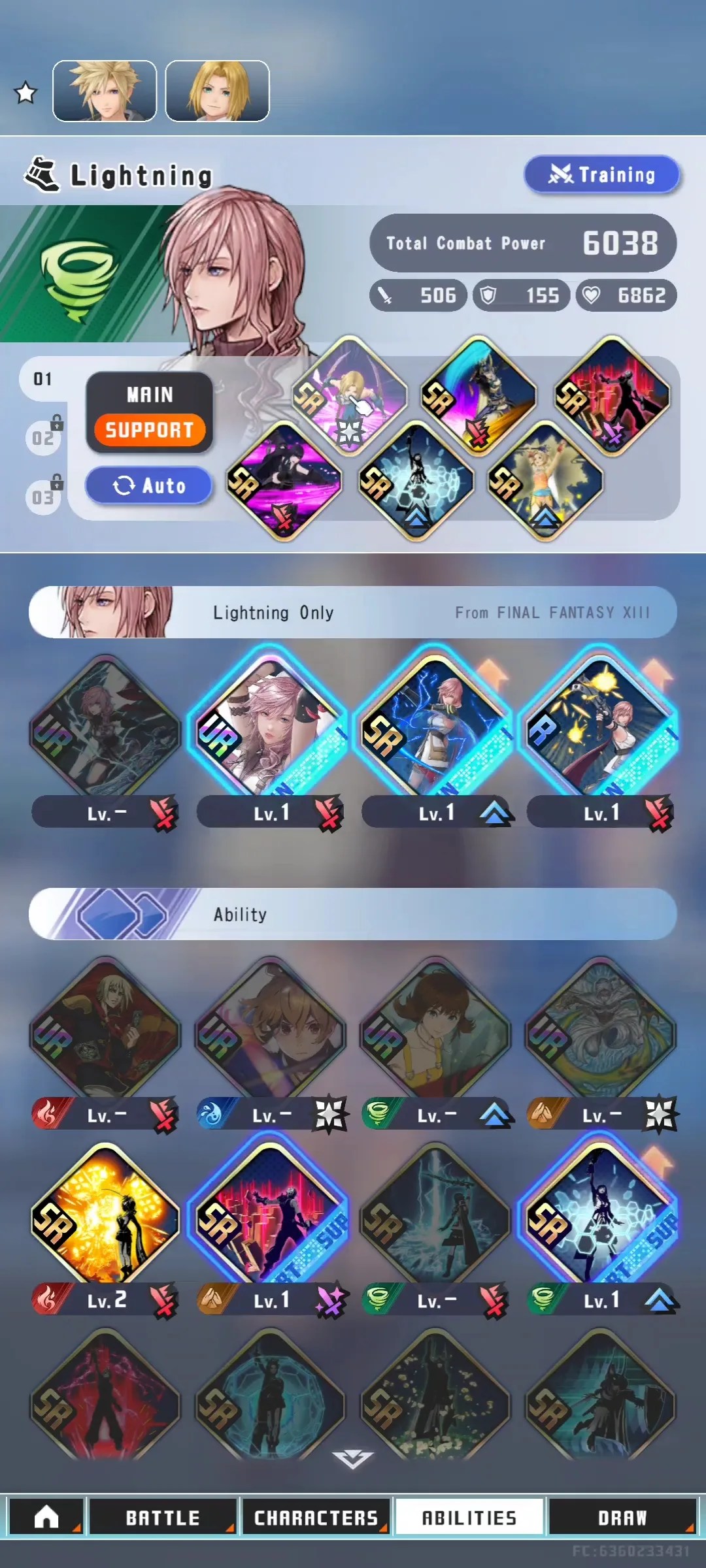
Each character can also equip up to five main abilities, which involve magic spells and signature moves associated to that particular character (i.e. Warrior of Light’s Shining Wave ranged attack). These are the abilities you will typically use to defeat enemies, build up Bravery, and dish out damage against the boss in team battles. Players can accrue Bravery points by defeating enemies and other players and purifying Crystals on the field. Once you have 9,999 Bravery Points, you can activate a Bravery Boost, which will enhance the damage of your abilities and allow you to actually contribute with damage output to the boss.
In addition to main abilities, each character can be equipped with up to six support abilities, which can’t be used directly in battle. However, the support abilities offer stat bonuses that factor into the character’s Total Combat Power. Total Combat Power is an overall gauge of the character’s stats and effectiveness in battle, and it definitely plays a role in Ranked Battles and solo Challenges. To further increase Total Combat Power, you’ll need to level up each ability with Growth Eggs, which are acquired from numerous sources in the game.
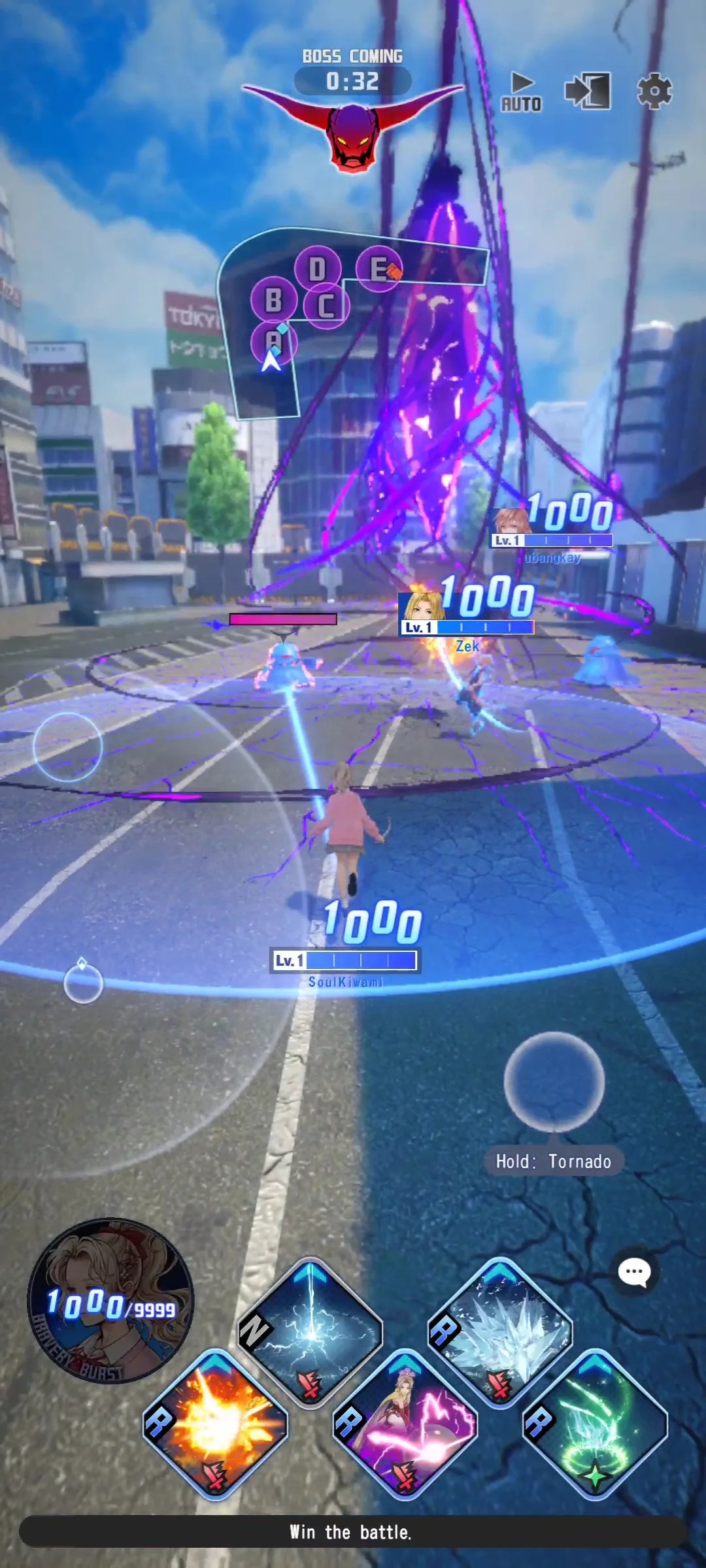
On the field itself, the controls are simplified for touch screen functionality. There are dedicated areas of the screen for rotating the camera, moving the character, sending emotes, and using Bravery Boost and your abilities. At first, I found some trouble getting used to the vertical layout, but the game does give you some control UI options, including positioning, height, and a toggle for holding or tapping to activate abilities. You can also use controllers, including the PS5 DualSense controller, to get a console-like control layout, and there’s frame rate and graphics options to better fine tune the performance to your device’s capabilities. The game immediately detects the controller once its connected via Bluetooth, and you can also customize button mapping. This will definitely be the preferred way to play if you’re on a device with a bigger screen, such as an iPad.
Besides the simplified controls and base move-sets, I can definitely say that Dissidia Duellum Final Fantasy is staying true to the core formula of what a Dissidia game is. Matches tend to only last a few minutes or so, but it’s action-packed from start to finish and can be really fun once both teams start to fight while dealing damage to the boss. For the most part, you still build up Bravery the same way you would in the Dissidia console games, and each character will feel somewhat familiar to use in battle for those who’ve played past entries.
The Early and Daily Dissidia Experience
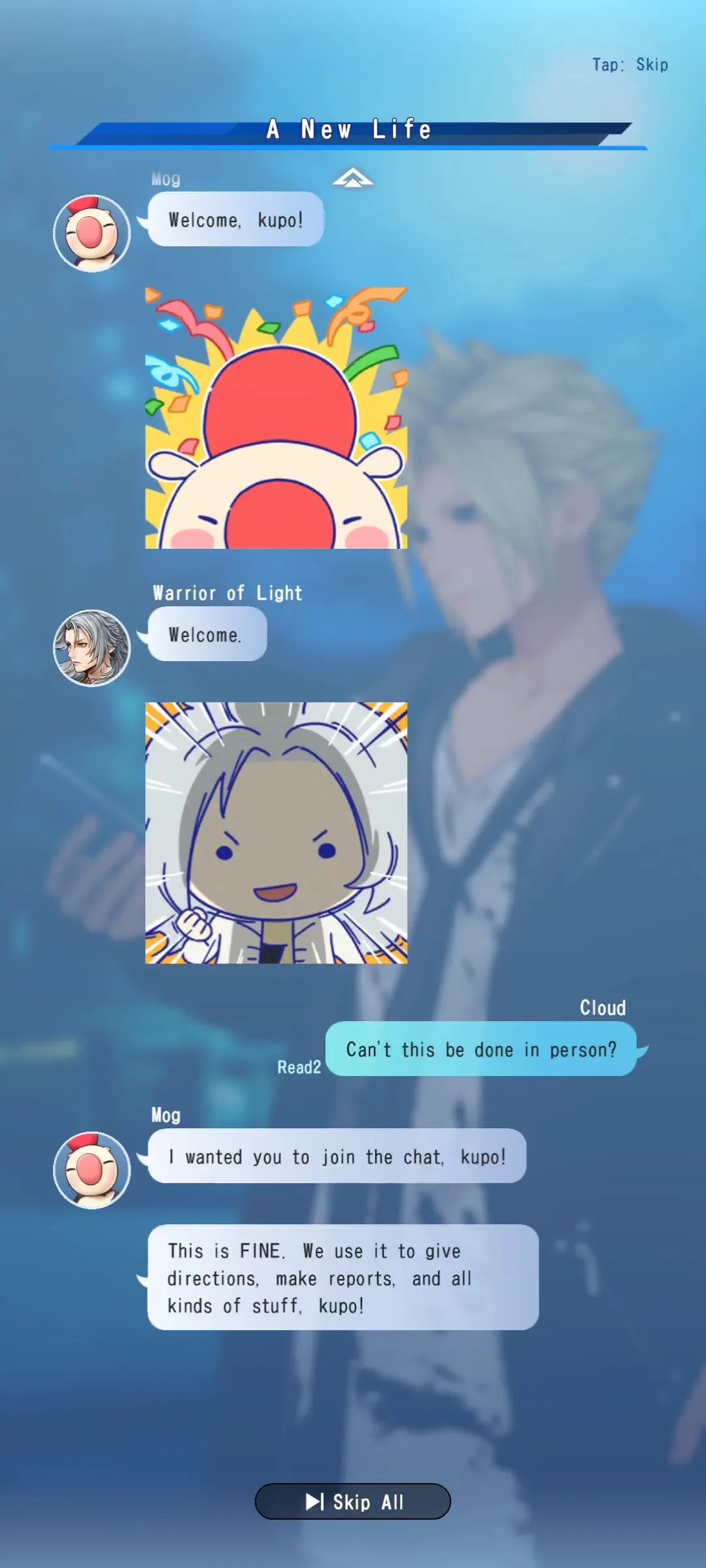
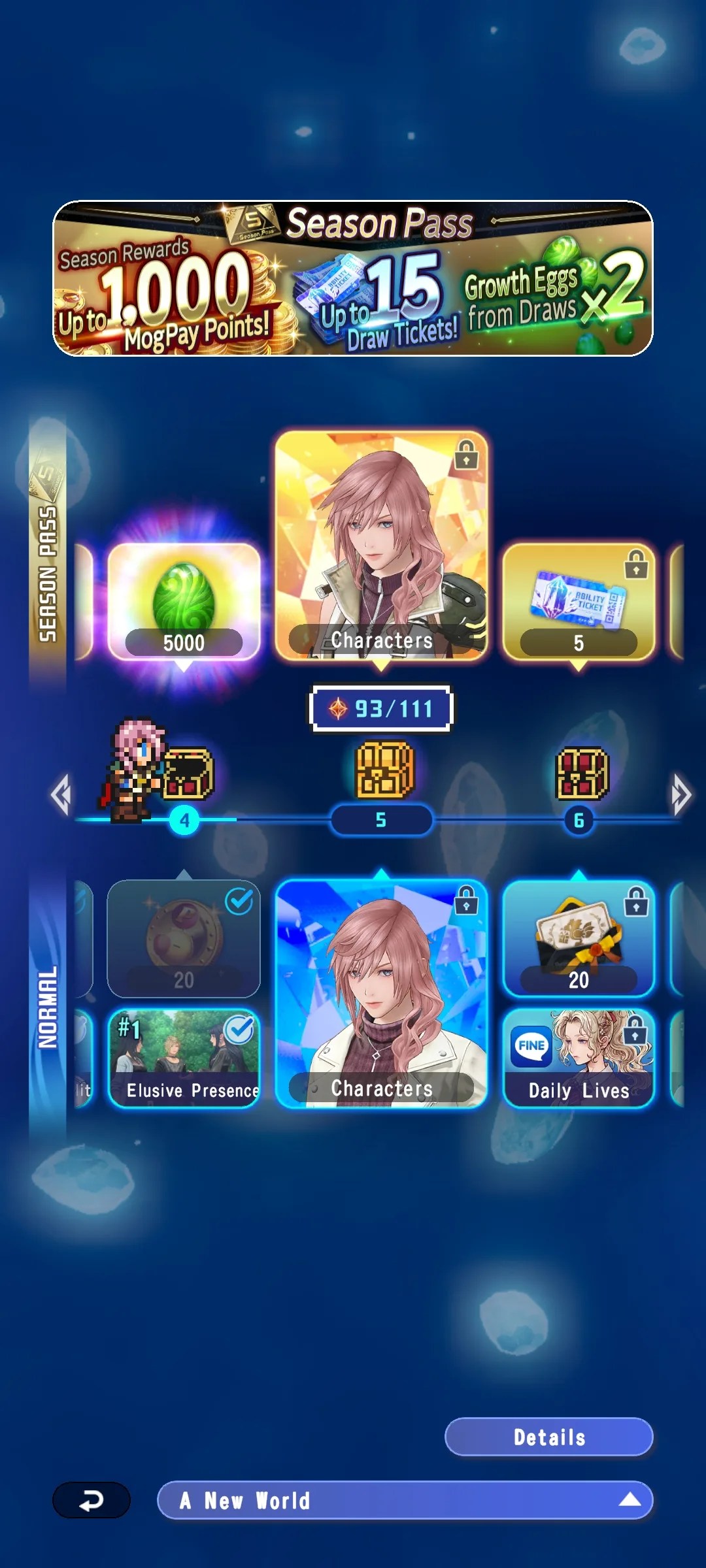
Since Dissidia Duellum Final Fantasy is a mobile game, you’re likely going to be playing it for short bursts at a time every day, but I can still see myself getting lengthy play sessions out of it. Like many other mobile games, this game uses a seasonal model for content. In the build I played, the Tutorial Season offers a lot of enticing rewards, including characters, new outfits, and currencies for draws. Story content is unlocked by leveling up the free Normal Season Pass route, and it typically involves segments where heroes are texting each other in a LINE-like group chat or scenes where major developments are happening, reminiscent of the unlockable story scenes last seen in Dissidia Final Fantasy NT. The story scenes are fully voiced in Japanese and are a real treat to watch, while the non-voiced chat segments give more insights into the daily lives of each character, along with more context about what’s going on in Tokyo.
Much of the in-game progression is carried out by completing Ranked Battles and Challenges, which net you season points and various other rewards. As you win in Ranked Battles, your overall rating will rise, and so will your spot in the ranking. If you want to practice without any effects to your rank, you can play Casual Battles with ability levels that are fixed by Rank. To further strengthen your characters, you can take on CPU-controlled enemies in the aforementioned solo Challenges. There are a ton of Challenges to complete per character on a Sphere Grid, and you can select characters from players you are following or shared a Friend Code with to help you as CPU-controlled allies.
As you play Dissidia Duellum Final Fantasy, you’ll begin to earn free MogPay points and draw tickets, which are used to draw from the various ability and character banners. You’ll be able to fast-track your character’s growth by drawing Super Rare and Ultra Rare abilities, and although character banners are self-explanatory, I did want to note that outfits are also included in the character banners. I honestly can’t judge the gacha aspects of the game until I have a bigger picture of what future in-game events and the in-game economy will hold, but I did want to note that battles will give you Sealed Crystals, which can be opened to get abilities and rewards for free.
Dissidia Duellum Final Fantasy is Shaping Up to be a Good Mobile Game from Square Enix
From what I experienced for this preview, I think Dissidia Duellum Final Fantasy is going to be a solid and fun game for Final Fantasy fans wanting to scratch that Dissidia itch at long last, even though it’s not the console game I’m sure many are clamoring for. Dissidia Duellum Final Fantasy has a fun combat system that’s easy to understand, and cel-shading artstyle is quite eye-pleasing. I really enjoy the new character designs and outfits, and the game has some great new arrangements of music tracks from across the series.
That being said, only time will tell about how Dissidia Duellum Final Fantasy really shapes up. For now, I’m optimistic and definitely willing to play more. The post-launch roadmap for new character also seems exciting with a lot of fan-favorite characters and newcomers to the Dissidia series, including Onion Knight, Iroha, Firion, Balthier, Rikku and Clive. Dissidia Duellum Final Fantasy will also have community features that will allow players to chat with friends and other new players, so I think it’s a promising game in several aspects. If the game gets enough support and offers valuable and engaging content over time, then maybe Dissidia Duellum Final Fantasy is the shot to the arm that the Dissidia franchise has needed.
Dissidia Duellum Final Fantasy is available now for Android via Google Play and iOS via App Store.
Disclaimer: Square Enix provided access to a build of Dissidia Duellum Final Fantasy for coverage purposes.