

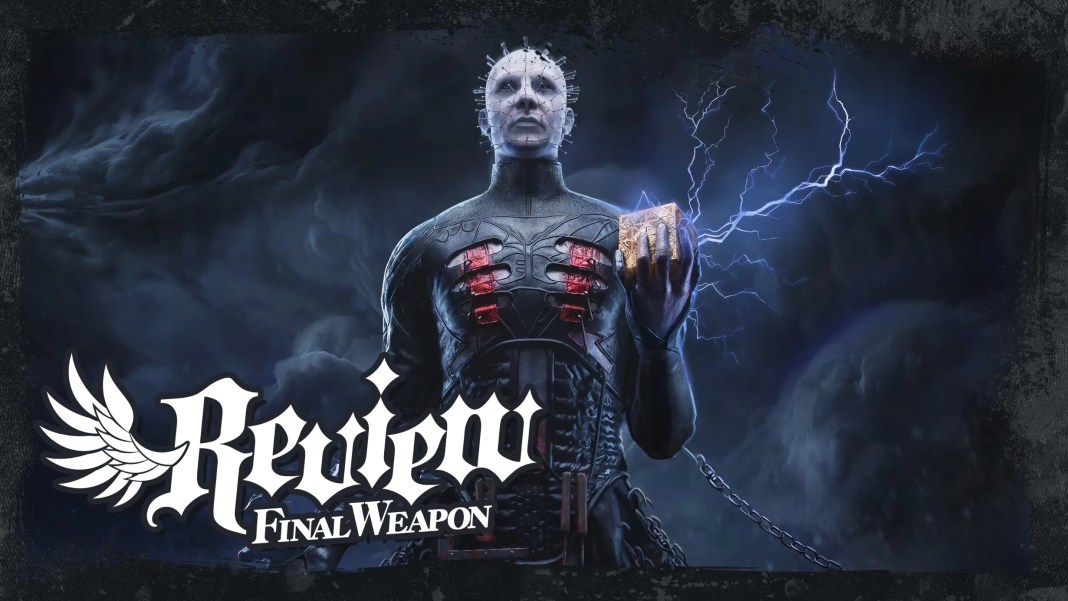
Clive Barker’s Hellraiser: Revival is a game that gave me plenty of reasons to be interested before I ever picked up the controller. With Clive Barker involved, Doug Bradley returning as Pinhead, and a mysterious puzzle box that somebody probably should have left alone, players are naturally going to interact with the mysterious object.
Unfortunately, when the Cenobites promised suffering, I didn’t realize they meant the gameplay. There were elements I enjoyed. Bruno was a highlight, and certain body-horror moments made me excited about how the game drew from the original film. However, there were also long stretches where I struggled to stay invested, along with controls and technical shortcomings that made playing more frustrating than I wanted.
Gore Over Lore
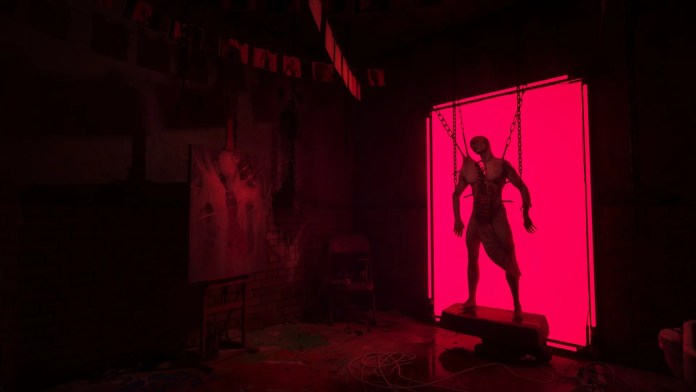
I first encountered Hellraiser at far too young an age, which may be why it stuck in my memory so well. I remember being more uncomfortable with what Frank said than with most of the creatures. For me, the psychological tension Hellraiser accomplished gave it its edge. I thought about my own father in such a situation, and that was enough to leave a lasting impact.
I came in expecting to find characters I’d enjoy, even if I don’t agree with their choices. Frank and Julia from the original movie are perfect examples. Frank is chasing pleasures the likes of which he’s never known, and Julia is simply so obsessed with having her lover back that she’s willing to do evil, murderous things. The original film even goes so far as to depict Julia in a more glamorous light with her makeup and clothes as she descends further into the depths of depravity. However, I feel like Hellraiser: Revival completely missed that kind of detail, leaning much more on gore than lore.
As a longtime Hellraiser fan, I definitely had some expectation of a great new story, even if the gameplay suffered. Yet, the gameplay suffered, and sadly, so did the lore.
Character Disconnect
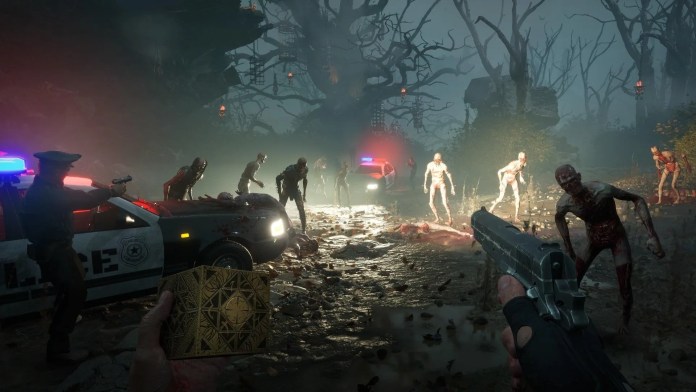
Revival follows Aidan Lynch as he tries to save his girlfriend, Sunny, after opening the box and unleashing the Cenobites on her. I’ll try to keep the details spoiler-light because I think experiencing the game for yourself is better, but by a third of the way in, I still didn’t feel like I knew either character well enough to care. Not even like I feel with Frank and Julia, where I can disagree with their actions and enjoy watching those choices unfold.
After about two hours of gameplay and what felt like a somewhat generic BDSM dungeon, mixed with gore and psychos in gimp suits, I could understand what Aidan wanted to accomplish. Still, I felt like I didn’t really know either one of these characters well enough. I knew that they were attracted to each other. The game certainly made that clear, but I wanted some interaction or background that actually made their relationship interesting, or at least mildly engaging.
The flashbacks of the two show brief scenes of physical intimacy, but nothing to connect them to. To be fair, sex can tell us plenty about fictional characters, like how they interact, how they communicate affection, or their insecurities. But the glimpses I was shown didn’t really help me understand why these people mattered so much to each other. I didn’t need their relationship to be healthy, but I wanted to understand what kept Aidan so attached to Sunny. This is still Hellraiser, but I wanted it to be enjoyable following someone as they make terrible decisions. I need to understand what makes those decisions compelling in the first place.
With Revival, I feel like they push you to understand the objective before they actually give you much connection to the people involved. Learning more plot details doesn’t automatically make this relationship interesting. I wanted the game to show me how Sunny and Aidan actually are together so I could care about what happened to them. By that point, the relationship hadn’t given me much reason to stay invested.
Pacing Issues
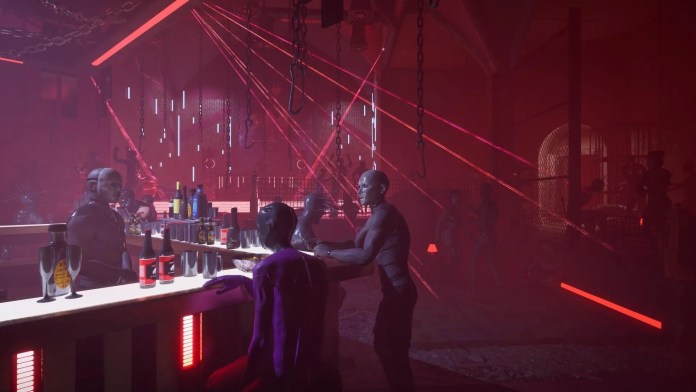
The opening also really struggled to make me curious about the rest of the world. The first third felt somewhat generic in my opinion. I was sneaking around enemies and moving through disturbing environments, but I wasn’t getting enough substantial Hellraiser lore to make me want to go further. The “art” Bruno makes did add some Hellraiser flair, but not enough to make me really see the Hellraiser I was looking for.
I wanted more to explore, especially since Aidan and Sunny’s relationship wasn’t holding my attention. This franchise definitely has plenty to make me curious about what people believe they’re gaining through suffering and why they pursue these experiences in the first place. But during the opening third of the game, I didn’t really feel like it gave me enough to make those questions interesting.
This further begs the question: what would persuade someone unfamiliar with Hellraiser to keep going? I already had a personal interest in it, so I could recognize things and anticipate what might appear later, but a new player wouldn’t necessarily have that kind of attachment. The game needed to give us more to enjoy about the world and gameplay rather than leaning so hard on nostalgia baiting, or making players wait for something that felt like Hellraiser in that specific Hellraiser way. At some point, my curiosity was the only thing keeping me going, and I spent a considerable amount of time somewhat patiently waiting for the game to give me a stronger reason of its own.
Bruno and Body Horror
Eventually, we encounter Bruno, and I really enjoyed this strange character and his art. His mannerisms gave me something to pay attention to, and I always wanted to hear what he’d say next. By the time I reached my first real fight with him, I finally had the classic Hellraiser reaction I had been wanting. But again, it felt like too little, too late. Most of that weight was carried by the nostalgia bait of the trophy you get after the fight, which I’ll leave for you to discover.
I enjoyed Bruno’s dialogue because he says strange, uncomfortable things like “Let’s have a kiss,” which reminded me of Frank’s “Come to daddy” line in the original Hellraiser movie. Hearing that kind of affection in such a grotesque encounter gave an uncomfortable familiarity that I enjoyed from the first film.
Bruno had a personality that made the horror around him interesting. I wanted to see what he considered an artistic achievement and understand how he thought about what he was doing. That curiosity gave me something to engage with beyond the fact that the environment looked disturbing. I really enjoyed this one particular scene where he dances around one of his victims or art projects and seems to be just having a great time.
For that quintessential Hellraiser moment, there is a scene very shortly after that involves Sunny. I don’t really want to explain it because I want you to experience it on your own, but that specific imagery of her in the bed really brought me back to the grotesque, physical, visceral transformation that made the first Hellraiser such a beauty.
That moment helped me understand my problem with the earlier content. Clearly, I’m not put off by how graphic the game is, because some of the most grotesque imagery became a highlight for me. I just really wanted to feel that level of interest much earlier.
Clunky Configuration

Even so, enjoying what was happening onscreen didn’t fix my frustrations with controlling Aidan. The controls felt clunky, especially when I needed to react quickly. To be fair, I don’t expect a horror protagonist to move like an action hero, and vulnerability can help make an encounter more frightening. But I still want to feel like I can master the controls and reliably perform the action I’m attempting.
I did enjoy the Genesis Configuration giving you supernatural abilities that you can use alongside your weapons. Those powers use a resource called Suffering, with telekinesis letting you launch sharp objects at enemies and pyrokinesis allowing you to launch fire as well. This gave the box a more active role in an interactive adaptation, which is cool considering how important it is to the franchise. What got me curious was how the abilities would actually affect my decisions in the game. A power can sound exciting when it’s described, but I wanted to know whether it would change the way I approached encounters. It did in some ways, but I feel like the cooler features weren’t unlocked until so late in the game that I really didn’t have time to enjoy them. I did like that it took a resource to use, however, because it might have otherwise felt overpowered; the balancing was quite nice.
Stealth was also an interesting part of the experience, with some sections where I spent quite a bit of time quietly moving around enemies. There is nothing wrong with asking me to avoid something dangerous, but I really wanted the process to hold my attention, and it struggled to do so. What was I looking for? Was I watching their movements? Waiting for an opening? Was I worried that it was going to hear me? The inconsistency there diminished some of my excitement. Sometimes enemies would literally walk up until they were almost touching me before they would notice me, and then there were other times that it seemed like they could see me through walls. That inconsistency left stealth feeling cumbersome, to say the least.
One of my biggest disappointments with this game is that the puzzles were incredibly underwhelming, which feels particularly unfortunate for a game built around a recognizable puzzle box. To be fair, I wasn’t expecting every puzzle to stop me for half an hour, but I did want something a little more satisfying to work through. One interesting circumstance included a set of statues I had to rotate and set the Configuration inside of to unlock them. Most other puzzles offered very little beyond pushing you to look for notes or other pieces of lore that would hopefully give you a hint toward a combination for a locked cabinet or two. I enjoyed the presentation of some of the puzzles, but sadly, actually solving them wasn’t as enjoyable.
The larger encounters also varied quite a bit. For example, Bruno gave me a direct fight, while other sequences focused more on being able to quickly escape danger. I don’t need every major threat to become a typical old-school boss fight, as an enemy can be memorable simply because I barely managed to get away from it. Still, the escape-focused encounters didn’t give me the satisfaction I wanted and felt quite repetitive.
Glitches and Nostalgia

The technical performance also presented notable issues throughout the playthrough. The death animations were something that really stood out as a problem for me. They sometimes looked cheap, clunky, or glitchy. For example, Chatterer kept walking toward me after a death animation, which looked kind of silly and pulled my attention to the presentation when I should have been reacting to the danger.
There were also times when an enemy managed to kill me from behind, and the camera never gave me a useful look at what was attacking me. I would get hit, fall forward, and be left wondering what actually happened to Aidan. I would have loved for the camera to pan around during that animation so I could actually see what killed me. That isn’t to say that being surprised by an enemy can’t be frightening, but being left without a clear sense of the attacker mostly just left me irritated. I wanted the deaths to be clearer and more impactful, especially when the game seemed so committed to showing its gory side.
Still, my biggest disappointment was how heavily the game leaned on gore without enough psychological tension to keep me invested. I experienced a few jump scares, but the regular anxiety that comes with playing a horror game wasn’t there. Constant displays of suffering don’t make up for how little I cared about the characters, and they certainly don’t make up for the frustration I felt while playing. I wanted what was happening around the violence to actually affect me. I’d go so far as to say that, at times, it really felt like it borrowed heavily from Resident Evil, especially with your inventory and how you manage it. However, it didn’t execute these mechanics as well and definitely didn’t improve upon them.
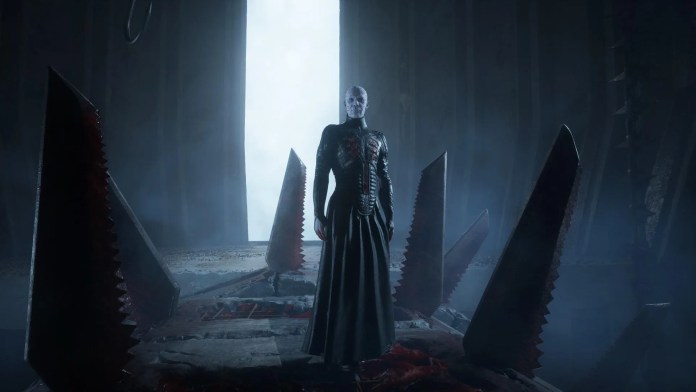
Though having Doug Bradley back on board reprising his role as Pinhead is absolutely amazing and would make any fan want to jump at this game, it really didn’t save the game from my critiques. Bradley, as always, did a spectacular job keeping the Hell Priest intimidating and interesting. However, his return wasn’t enough to keep me invested when the rest of the story was suffering.
That directly relates to how I feel about some of the moments I did enjoy. In some ways, they felt like heavy-handed nostalgia bait rather than new, interesting content that dragged me further into the world of Hellraiser. A couple of those scenes rewarded my patience and showed the game could indeed capture parts of the franchise I enjoyed, but I wanted that feeling far sooner and more consistently afterward. However, the game suffered in pacing, depth, polish, and inspiration. I wanted more original ideas from its use of the Hellraiser world, and though I wanted to enjoy it, I found myself more often frustrated than entertained.
Disclaimer: Saber Interactive provided a PlayStation 5 copy of Clive Barker’s Hellraiser: Revival for review purposes.

