


Gotcha Gotcha Games has opened the official Steam page for the latest version of the RPG Maker series, RPG Maker U2U. RPG Maker U2U brings numerous quality-of-life updates for game developers of all skillsets, including the ability to create games in 2.5D. A letter from RPG Maker U2U producer Ichinose was also revealed on the game’s official X (formerly Twitter) account and Steam page.
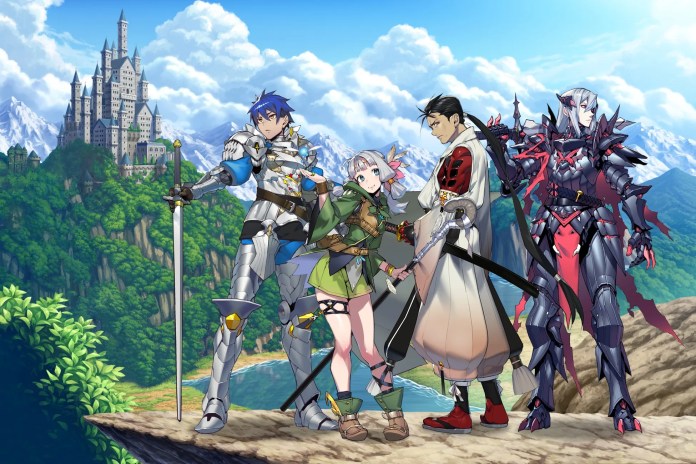
A new key visual from Japanese illustrator Namaniku ATK was also revealed:
Read up on the following new details about RPG Maker U2U’s key features:
P2D Map Editor lets anyone create detailed P2D maps quickly and easily with familiar RPG Maker-style controls.
This specialized editor makes building rich P2D maps accessible without any advanced 3D knowledge. Users can rapidly place pre-made objects for speed, or assemble objects from scratch for greater control, while also decorating them with classic 2D RPG Maker map tiles. Over 100 ready-to-use P2D maps are included for immediate game development.
RPG Maker U2U will launch as a simple standalone Steam app with no Unity installation required, keeping the familiar MZ-style workflows.
RPG Maker U2U will distribute as a fully standalone product on Steam, so users do not need to install the Unity engine, Unity Hub, or create a Unity ID. It installs and launches just like RPG Maker MV or MZ. Core systems such as the Event editor, database, and battle settings closely follow RPG Maker MZ, allowing experienced users to feel immediately at home while new users benefit from the simplified setup. Combined with the new P2D map system, this makes U2U an accessible and powerful next step for both newcomers and longtime RPG Maker creators.
P2D maps in RPG Maker U2U unlock true 8-direction movement and rich vertical exploration with minimal extra asset work.
Players can freely move in eight directions across P2D maps instead of being limited to the classic four. Standard 4-direction character sprites are automatically mapped to the diagonal directions, so creators don’t need to prepare special diagonal assets. The system also emphasizes depth and height using stairs, slopes, ladders, overpasses, and underpasses to build multi-level maps that feel rewarding to explore, from high peaks to deep valleys.

