

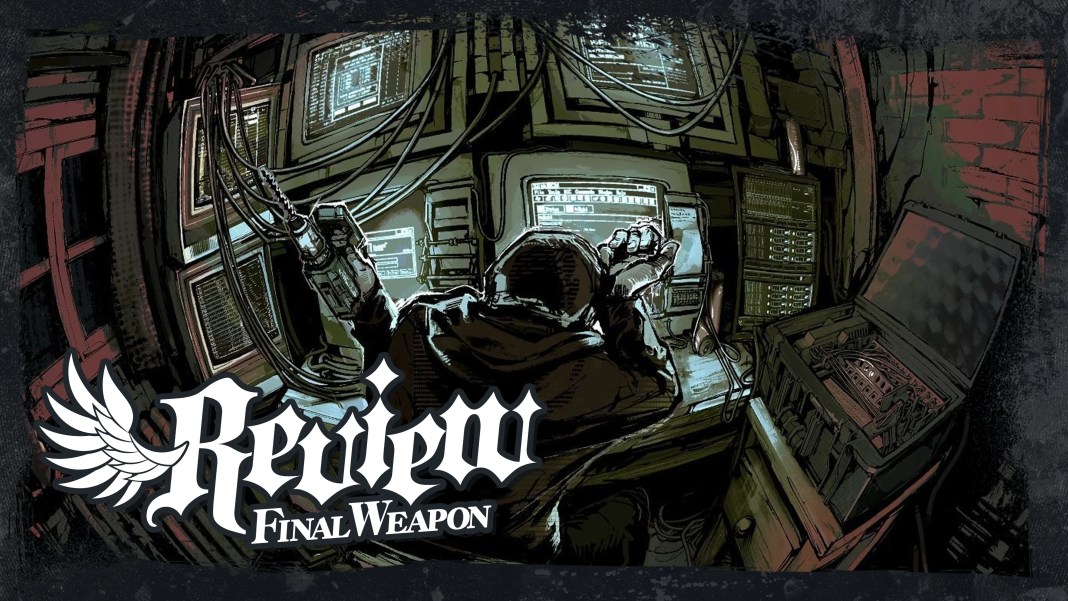
In the ever-expanding universe of indie games, some experiences aim for sprawling open worlds, while others find their power in laser-focused, concentrated design. Mike Klubnika, the developer behind the viral hit Buckshot Roulette, has firmly established himself as a master of the latter. His work thrives on intensity, atmosphere, and a palpable sense of dread. With his latest release, s.p.l.i.t, Klubnika trades the grimy backroom of a Russian roulette-style game for the cold, digital void of a terminal screen, delivering one of the most authentic and unnerving hacking simulators to date. This is not a game that holds your hand; it is an experience that throws you into the deep end of a morally ambiguous operation and trusts you to either sink or swim.
This review will delve into the mechanics, atmosphere, and narrative that make this short but impactful title worth your time in the psychological horror genre. It’s a game that demands your full attention, rewarding it with a rare sense of immersion that will linger long after you’ve typed your final command. However, there are some elements that leave a bit to be desired.
From Buckshot to Breaches

Understanding the context behind s.p.l.i.t requires a nod to its predecessor. Buckshot Roulette was a masterclass in tension, a compact and replayable game of chance against a sinister dealer. It showcased Klubnika’s talent for creating high-stakes scenarios with a unique, unsettling aesthetic. Fans coming from that game will find a similar authorial signature here: the psychological discomfort, the deliberate pacing, and the feeling of being a participant in something dangerous and forbidden.
However, s.p.l.i.t is a significant evolution, although in a slightly different direction. It demonstrates technical growth and a willingness to tackle a more complex, interactive framework. While Buckshot Roulette was about the raw, visceral fear of a gun, s.p.l.i.t is about the cerebral, paranoid horror of digital intrusion. It’s a brilliant follow-up that solidifies Klubnika’s reputation as a developer capable of crafting unforgettable, bite-sized nightmares.
A Job in the Digital Trenches

s.p.l.i.t wastes no time on lengthy exposition. You are a technician, a digital operative tasked with executing a malware attack on a vast, ominous electronic superstructure. Your only connection to the outside world is an IRC-style chat window where you communicate with your partner, who guides you through the operation. The entire game takes place within a diegetic computer interface, a fully functional terminal that serves as your window into the target system.
There is no traditional HUD, no inventory screen, no quest log. There is only you, your keyboard, and the commands you type. This design choice is central to the experience. It’s not a game about hacking, but one where you are the hacker. Every command, every directory change, every file access feels tactile and consequential. Instead of just playing a role, you are living the job, and the weight of that responsibility is a core part of the game’s oppressive atmosphere.
The heart of s.p.l.i.t is its terminal. This is not a simplified, gamified version of a command-line interface. It is a rich and detailed system that rewards curiosity and logical thinking. Players familiar with basic terminal commands like ls, cd, and cat will feel right at home, but the game introduces its own unique commands and protocols that you must learn on the fly.

The puzzles are not arbitrary roadblocks, but logical challenges rooted in the reality of navigating a complex file system. You will be tracing logs, decrypting files, navigating through labyrinthine directories, and manipulating system permissions to achieve your goals. The game offers no hints or UI prompts. Your brain is the only tool you have. The satisfaction derived from successfully executing a complex command or uncovering a hidden file is immense, precisely because the game does not patronize you. It respects your intelligence, and in doing so, it makes your successes feel earned.
The commitment to realism is what sets s.p.l.i.t apart from other hacking games. It avoids the Hollywood trope of flashy, fast-paced hacking in favor of a more deliberate, methodical, and ultimately more rewarding process. You feel like you are genuinely breaking into a secure system, and the tension that comes with that feeling is electric.

While the gameplay is grounded in realism, the atmosphere is pure psychological horror. The visual and audio design work in perfect harmony to create a constant sense of dread. The aesthetic is bleak, minimalist, and techno-paranoid, evoking the feeling of late-90s cyber-dystopias like Serial ExperimentsLain. The visuals are low-poly and utilitarian, with a focus on text, glitch effects, and subtle shifts in the interface that signal that you are treading on dangerous ground.
The sound design is subtle. The ambient hum of the machine, the crisp click-clack of your keyboard, and the distant, distorted digital noises create a soundscape that is both isolating and claustrophobic. An unexpected audio cue or a sudden visual glitch can be more startling than any jump scare, hinting at a malevolent presence within the system you are violating.
This tension is amplified by the narrative, which unfolds through the logs you read and the terse conversations with your partner. The story is intentionally vague, leaving much to your interpretation. Who are you working for? What is the true purpose of this malware? The game never provides clear answers, forcing you to piece together the truth from fragmented data and cryptic messages. This ambiguity is a source of constant unease, as the moral implications of your actions become increasingly murky.
Morality in the Machine

The story is a powerful example of environmental storytelling. You are an active participant in the narrative, and your actions have a direct impact on its outcome. The central choice you are forced to make is an absurd and deeply unsettling one, and its consequences ripple through the end of the game. The two primary endings don’t drastically change the mechanics, but they re-contextualize the entire experience, revealing new layers of lore and forcing you to question the nature of your mission.
The themes are mature and handled bluntly. The game explores concepts of control, surveillance, digital violence, and self-harm with a raw and unflinching honesty. It is not a game for the faint of heart, and its intense psychological content will certainly not be for everyone. However, for those willing to engage with its dark themes, it offers a thought-provoking and memorable narrative experience.
s.p.l.i.t is a polished gem for fans of hacking simulators, psychological horror, and Mike Klubnika’s uniquely unsettling style. The authentic terminal-based gameplay is the star, creating a rare sense of presence and agency that makes every moment tense and meaningful. However, this focused vision comes with important potential issues for the players. The game’s steep, unforgiving learning curve, short length, and ambiguous narrative are integral to its identity and will not appeal to all. Players seeking a lengthy, guided experience or even replayability will likely be left frustrated. Furthermore, the game’s unflinching exploration of mature themes, including psychological distress and violence, warrants a strong word of caution. For those who align with its dark, challenging, and brilliantly executed vision, though, s.p.l.i.t is a good game worth your time—a digital nightmare you won’t soon forget.
Disclaimer: Mike Klubnika provided a PC (Steam) copy of s.p.l.i.t for review purposes.

