


For as long as I can remember, I’ve been a huge fan of RPGs. Being able to get sucked into all kinds of magical worlds with incredible storytelling and fantastic characters is what I always love when starting a new journey. However, despite how many entries in the genre I have engaged with, Star Ocean is one franchise that has escaped my attention.
Star Ocean is a series that I’ve heard maybe a mention here or there online and in some anime, but I’ve never really put much thought into trying it out. So, when I booted up Star Ocean: The Second Story R, a remake of the second game in the series, I was certainly curious. Once I rolled credits on this game, I realized how special it really is, while also noticing some shortcomings that I hope are fixed in any future remakes or new titles.
Space Journey
The plot of Star Ocean: The Second Story R is pretty unique, as it is told from two perspectives. The two protagonists, Claude and Rena, share the same journey but occasionally experience separate story events. As the journey went on, I really enjoyed seeing how each of them developed through the influence of the other. Claude starts as an outsider to the strange world he was teleported to, while Rena has her own reasons for traveling alongside him.
The adventure also features additional characters with their own goals who can join the two, though several of them are entirely optional. This means they can be missed altogether, especially since some events are only available for a limited time. Because of this, the game encourages multiple playthroughs to see how each character’s story unfolds.
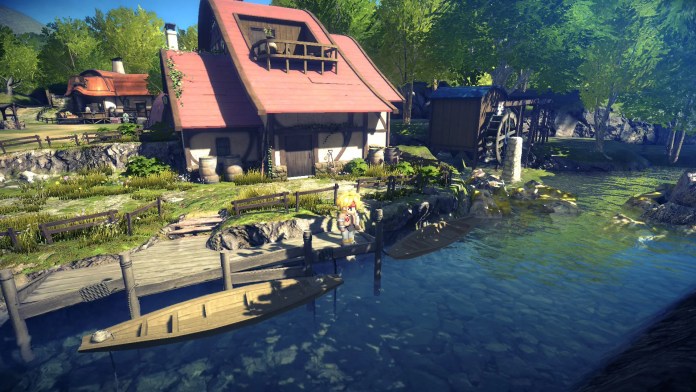
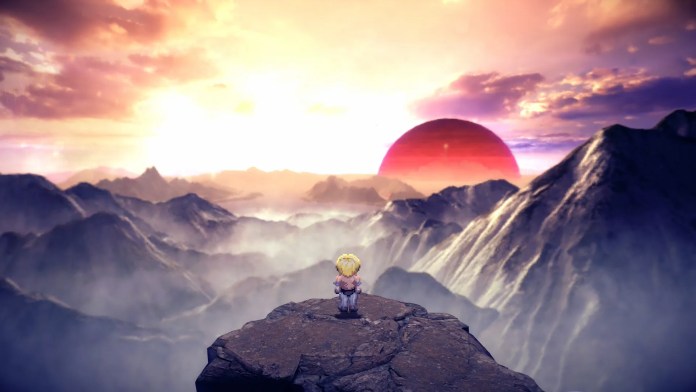
It’s also impossible to talk about this game without mentioning how beautiful it is; the developers of this remake, Gemdrops, crafted such an incredible-looking 2.5D game that looks and runs amazingly on Nintendo Switch 2. The game also comes with some incredible music, which not only encompasses the new recomposed score for the remake, but also the original that is available at any time with the simple adjustment of some settings. That said, one shortcoming of this game is that there is no upgrade path for those who bought the game on Nintendo Switch, meaning if they want the performance boost, the game would need to be bought again. This is really strange to me, as overall the game offers very little besides running better.
Battle of Wits
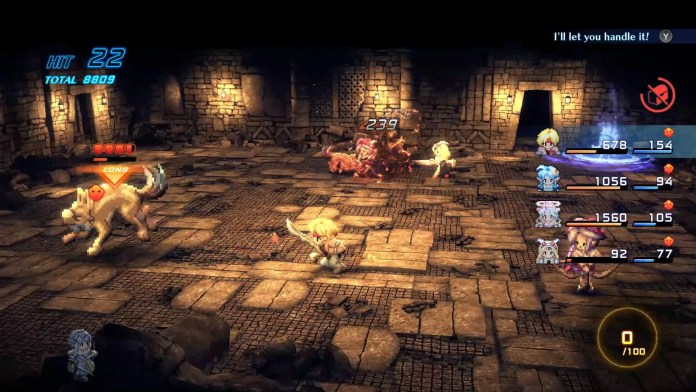
Battles in Star Ocean are in real time in a small arena where everyone can move around freely. At first, I expected this to be turn-based, but I really enjoyed how the gameplay worked here. Especially when the arenas matched the area of the game I was currently in, an example being when in certain mines a minecart would sometimes pass through the middle of the arena, hurting whoever was in its way. While it did minimal damage and never really saved me in combat, I wished more areas had gimmicks like this.
Star Ocean also has a stagger system in place known as “breaks” that work similarly to how it does in other games with the function. Once an enemy’s shield has taken enough damage, they become unable to move for a few seconds, making it easy to deal damage. This worked even better with minibosses, as whenever their shield broke, it would cause a chain reaction, causing all remaining enemies left to also break. This really came in handy in the late game, as by then most battles would almost always have a miniboss.
What I found out later in the game was that breaks could also happen to my character. For example, there were moments when I became surrounded by enemies and dodging was nearly impossible. Whenever this happened, I would become frozen for a few seconds, allowing nearby enemies to deal major damage. Almost every time this occurred, I would get knocked out, requiring me to use a revival item or wait for a healer to cast a revival spell. Unfortunately, as someone who tends to get easily caught up in the action, I often forgot about this aspect of the gameplay, which led to a lot of revivals.

What I also grew to love about Star Ocean was the way it handles leveling up, as it’s tied to the specialty skill mechanic. Whenever a skill like knife or herbology is increased, it not only improves a character’s stats for battle but can also unlock new abilities for them to use to make the game a smoother experience. One example being leveling up the Eye for Detail specialty can help level up crafting and customization, making crafting new weapons and armor all the easier.
This also works alongside combat skills, which can make battles even easier by reducing spellcasting time, increasing movement speed, and allowing you to keep orbs when staggered. Orbs are special items that enemies drop when defeated, and the more you collect, the stronger your attacks become. However, they can easily be lost when knocked out or staggered, which meant I was always keeping an eye on how a battle was going if I wanted to maintain a high orb level.
Another aspect of the gameplay I really enjoyed was how easy it was to swap characters mid-battle. Some opponents I faced were capable of freezing me in place through paralysis or petrification. During moments like these, whether I didn’t have an item that could cure the affliction or simply wanted to end the battle as quickly as possible, the game allowed me to switch between characters. I didn’t use this feature too often, but whenever I needed it, it was nice knowing it was there.
Danger Zone
Despite how much fun I had with Star Ocean, there were also parts of it I either wish were better or outright had issues with. The story, while great at first, began to lose me once the true antagonist was revealed. While it was obvious that there was a bigger threat than the Sorcery Globe that Rena was chasing after, and that a darker entity was pulling the strings the whole time, I really didn’t care for them once they were revealed. The antagonist wasn’t too interesting, and after they showed up for the first time in the story, they only made a few sporadic appearances before the final battle. While that can work in other pieces of media, for me it just made me uninterested in fighting them.
The combat also became slightly annoying once I reached the final third of the game. By then, most encounters, while satisfying, had one major deterrent: the enemies’ targeting. Every few battles or so, an enemy I was in the middle of fighting would randomly decide to run off and chase a different character. Whenever this occurred, I would miss my attack and have to start chasing them. Since my team mainly consisted of two characters on the main battlefield and two on the side who would cast healing and magic spells, monsters would usually target the latter. This caused many battles during this point in the game to end with a minute or two of me chasing a monster while it chased my teammate. It was incredibly frustrating and made me avoid battles during the final part of the game as much as possible.
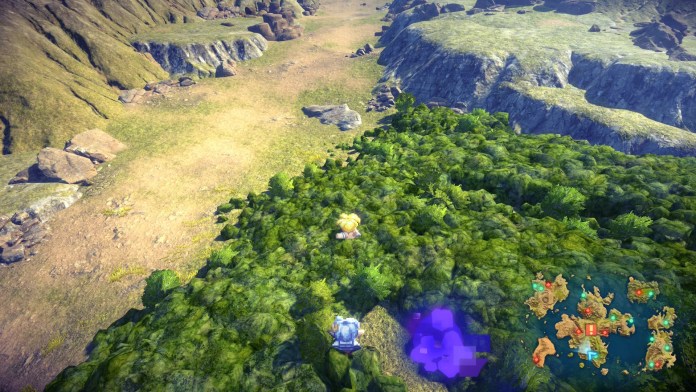
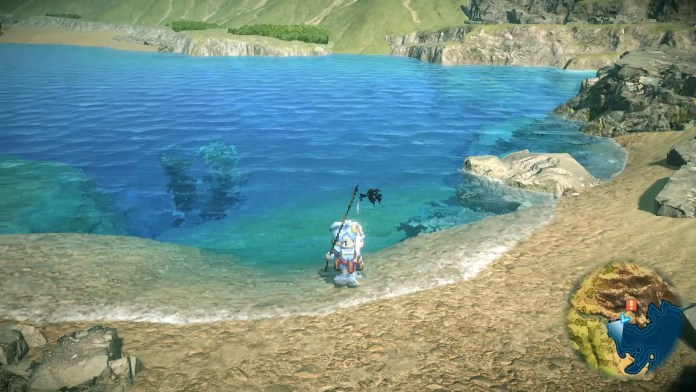
Another part of the game I was slightly underwhelmed by was the lack of anything to do in the overworld. Most of my time during the main story was spent traveling from point A to point B. This was fine at first, as I wanted to dig deeper into the story. However, as I explored the world and took in the beautiful art style, I found little to do aside from opening the occasional chest and finding places to fish. While there are some minor quests to complete, they are few and far between. What makes this all the more odd is that the game does offer some form of extra content through mini-games, but I only encountered these during the final third of the game. As stated earlier, this was also the part of the game where I began to lose interest, so I only tried a few of them. While they were fun, they made me wish this type of content had been introduced much earlier.
What could’ve helped make the game feel more alive was if the item creation abilities or IC were able to be done in the overworld, as they’re mostly done via the menu. While it is far more convenient to craft food and weapons via the menu rather than having to return to a place over and over again, it would’ve made doing the actions feel like a real part of the game instead of just staring at a blue screen for minutes at a time.
This remake, while looking and sounding fantastic, also had some odd sound shortcomings, mainly with the dubbing. When looking at the Japanese audio, it comes with voiceover from the remaster originally released on the PSP as well as newly recorded audio for this remake. Meanwhile, for English, there is only one option for the remaster. This is really odd, as it’s obvious a lot of love and care was put into bringing this remake to life, but they decided not to record a new audio track. Overall, it wasn’t too big a deal for me, as the English dubbing used was still really great, though with a few stilted lines here and there.
Cosmic End
I had an incredible time with Star Ocean: The Second Story R; I became immediately enthralled with the characters, world, and art style. While I did have a lot of criticisms about my time with it, it’s only because of how strongly I felt about the game. This was one of my favorite RPGs that I’ve played this year, and I really wanted to like it more, but so many issues, both minor and major, kept piling up, causing me to have a lesser experience than what I was hoping for.
Star Ocean: The Second Story R is a great game that, while having some things I wish were better, is still worth trying out. However, if you already own the Nintendo Switch version of the game, there isn’t anything new that would require buying it all over again. Those who have never tried out a Star Ocean game will find themselves lost in a beautiful world and will probably end up a fan of the series as I have.
Disclaimer: Square Enix provided a Nintendo Switch 2 copy of Star Ocean: The Second Story R for review purposes.

